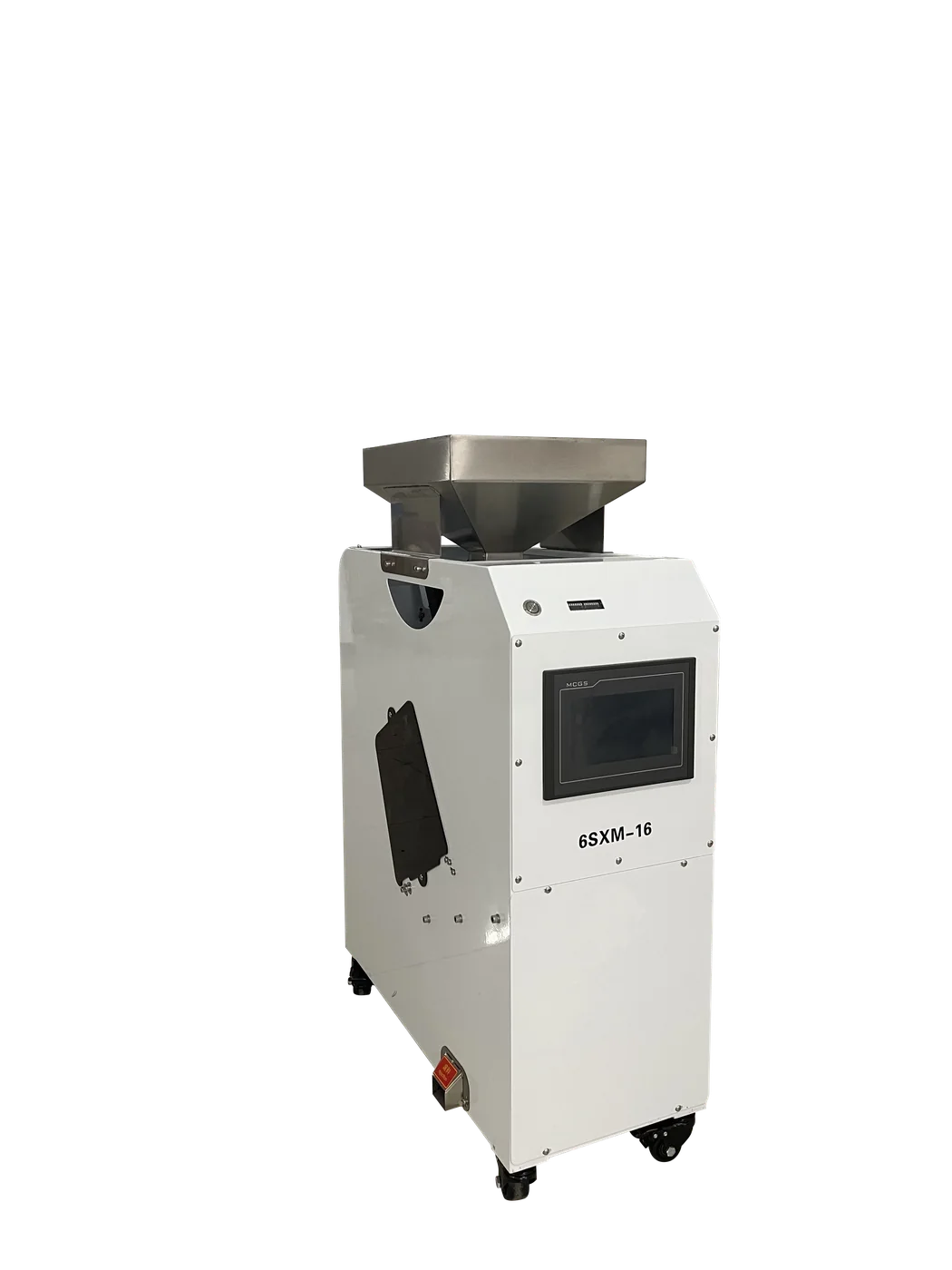
SERIES
H Series
Current chute model references. Confirm the material, configuration and site inputs before shortlisting.
Review H Series
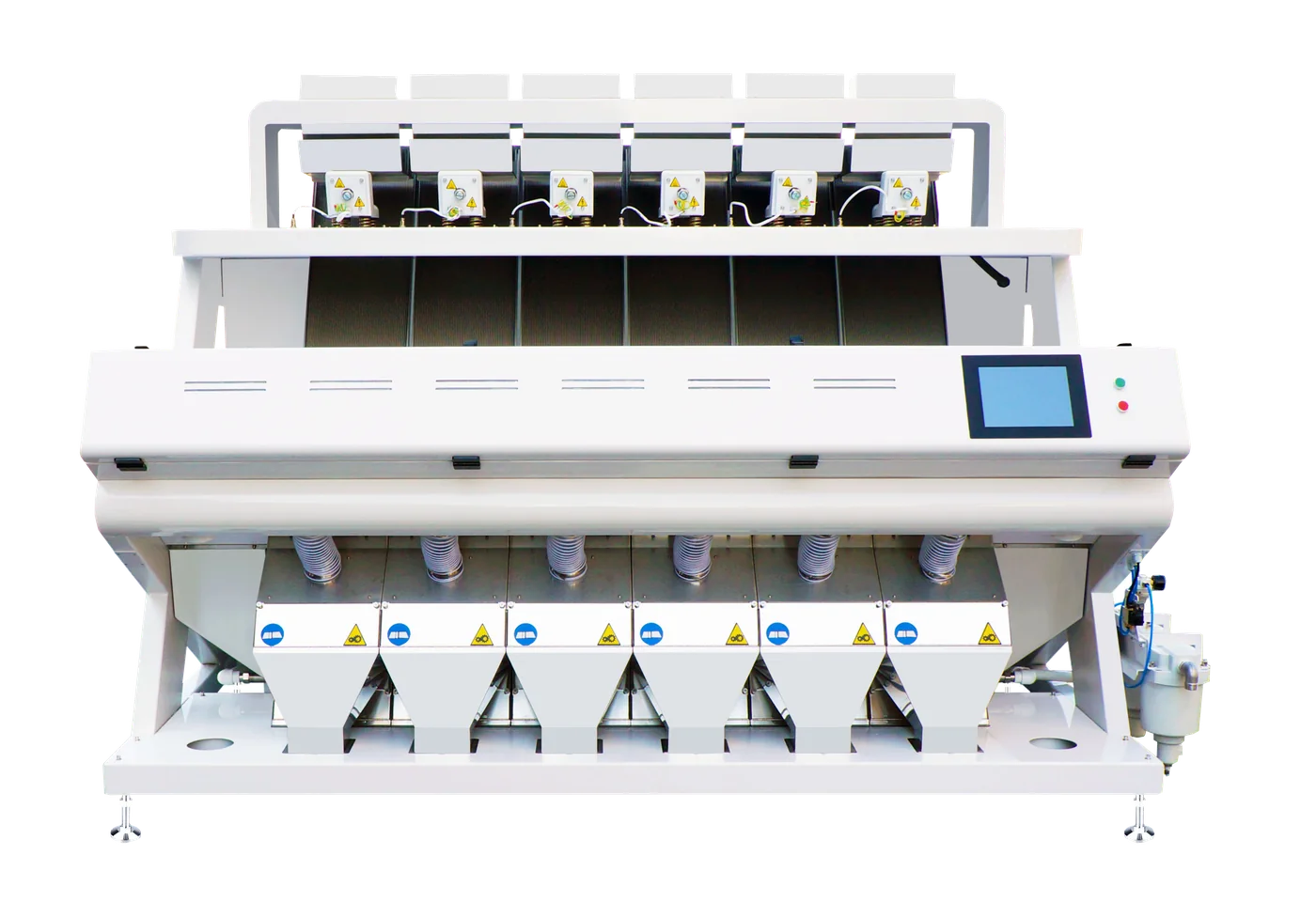
CHUTE COLOR SORTER PLATFORM
A chute platform starts with the way dry, free-flowing pieces feed and move through channels. The material, visible separation target and normal line conditions define the review.
CHUTE FIT
Chute review begins with material behaviour, not a model code. A stable feed path gives the team a useful starting point for the separation target and test plan.
Dry grains, seeds, pulses and similar free-flowing pieces often provide a workable starting point. Surface condition, piece variation and normal feed still matter.
MATERIAL PATH
The practical question is whether the product can be metered and presented consistently enough for the visible separation target. The final arrangement is reviewed against the actual material.
Introduce a representative material batch.
Distribute the feed into a controlled path.
Let pieces move through the chute channels.
Evaluate the stated visible separation target.
Inspect accepted, reject and overflow streams.
OPERATING FACTORS
These are review inputs, not fixed machine claims. Record them before using any reference throughput or model table as a shortlist.
CURRENT RANGE REFERENCES
The series names do not establish a performance tier here. Open each range for its current model references, then compare documented configurations against the material.
Current chute model references. Confirm the material, configuration and site inputs before shortlisting.
Review H SeriesCurrent chute model references with M384 shown as a model inside this series.
Review M SeriesINSTALLATION AND SIZING INPUTS
A useful quotation connects the material path to the available utilities, floor layout and service access.
SAMPLE TESTING
Use representative material, record how it presents through the channels, and review the accepted, reject and overflow streams together.
Review Sample TestingCHUTE QUESTIONS
Start with dry, free-flowing pieces that can be metered and presented consistently through channels. The sample still has to represent the normal size range, surface condition and visible separation target.
Dust, moisture, surface tackiness, wide size variation and bridging can change how material enters and moves through the chutes. Share these conditions before a machine or series is shortlisted.
No. They are current range references on this page. A documented configuration and a representative test provide a stronger basis for comparing them than the series name alone.
Record the feed condition, how the material presents through the channels, and the accepted, reject and overflow streams where applicable. This makes the result easier to interpret against normal production conditions.
PROJECT DETAILS
Send the material, visible separation target, normal feed range and line conditions. We can use those details to prepare the next review.
Share the material you process, the visible defects you need to remove and your target throughput. If you can send a representative sample, we can plan the selection around real test conditions.
Share the material you process, the visible defects you need to remove and your target throughput. If you can send a representative sample, we can plan the selection around real test conditions.